


.png)
Sleep Studies
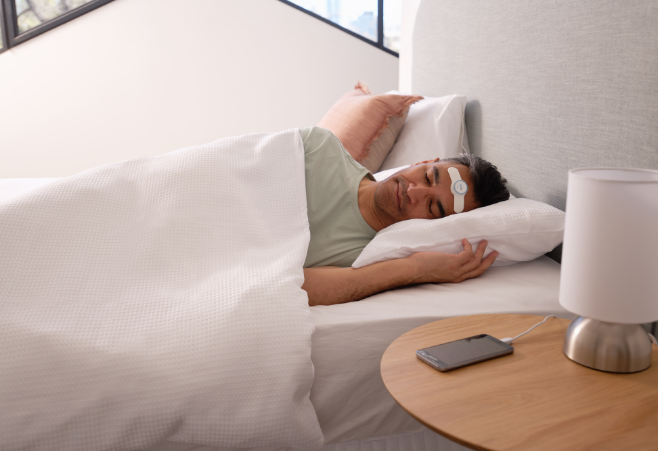
A home-based sleep study is an overnight recording of your sleep, breathing, heart rate, oxygen levels and snoring for the diagnosis and evaluation of sleep apnoea. You will be fitted/provided with a device to undertake the test in the comfort and familiar surroundings of your own home.
Sleep is vital for good health and problems with sleep can lead to serious health, heart problems, as well as an increased risk of stroke.
Sleep Study Tests Available
Conducted in the comfort of your home, this study measures breathing, oxygen levels, heart rate, brain activity, and muscle activity, helping diagnose sleep disorders and determine effective treatment strategies.
A home-based study which is focused on detecting Obstructive Sleep Apnoea (OSA) or Sleep Disordered Breathing (SDB)
Level four is the most basic type of sleep study, looking at oxygen saturation levels during sleep.
How the Process Works
Sleep Assessment
Treatment
- CPAP (Positive Airway Pressure) therapy
- Nasal EPAP
- Referral to an ENT surgeon
- Weight management
Long term therapy and support
We provide extra support, including rental packages (short or long-term), ongoing monitoring, annual data checks, and reviews. Disability allowance support may be available for those on limited incomes.
Our Clinic Locations
Sleep Study FAQ's
If you have trouble falling asleep, wake up frequently, snore, or have other symptoms of a sleep disorder, a sleep study is used to try and investigate the potential cause. If you suffer from fatigue, hypertension (high blood pressure), diabetes, depression, heart problems or for work-related reasons, your test may involve screening for Obstructive Sleep Apnoea (OSA). Some patients are also screened before having a major operation and this information is important for their post-operative care.
Home-based sleep studies are a non-invasive, painless procedure. Some patients may experience a minor irritation from the nasal cannula or pulse oximeter, but this is rare.
The sleep study device will be setup at the clinic or posted to you. During the in-clinic process, one of our team will connect to demonstrate the fitting of the equipment and provide a sleep questionnaire.
Please go about your normal night-time routine. This includes having your evening meal, consuming your usual alcoholic beverages, and taking your routine medications (unless advised not to). The sleep study is a record of your typical night’s sleep.
When it is bedtime, fit the monitor as instructed ready for sleep.
When you wake up the next morning, remove the sleep study equipment as you have been directed by the clinic staff, and place the device and leads into the carry bag along with your completed sleep questionnaire.
Please return the sleep study equipment to the clinic in the morning after your sleep study, along with your questionnaire.
A follow-up appointment with one of our sleep team is included to discuss the results of your home-based sleep study. Results will also be made available to your health practitioner.


Other Services
Learn more about our other services.
Exercise Stress Echo
The patient will be asked to complete a regular treadmill exercise test, while their ECG, heart rate blood pressure are recorded. After the treadmill exercise test, the patient will be quickly moved back to the patient bed and the heart will be looked at again for any sign of abnormal activities.
Holter Monitoring
A Holter monitor is a small, portable device that continuously records the electrical activity (ECG) of the heart. It tracks every heartbeat to detect any irregularities, typically over a period of 24 hours, but it can be used for up to 14 days if needed.
Exercise Tolerance Testing
An Exercise Tolerance Test (ETT) is a non-invasive testing method of detecting heart disease which may otherwise not be evident without exercise.
.png)