


.png)
Holter Monitoring
.jpg)
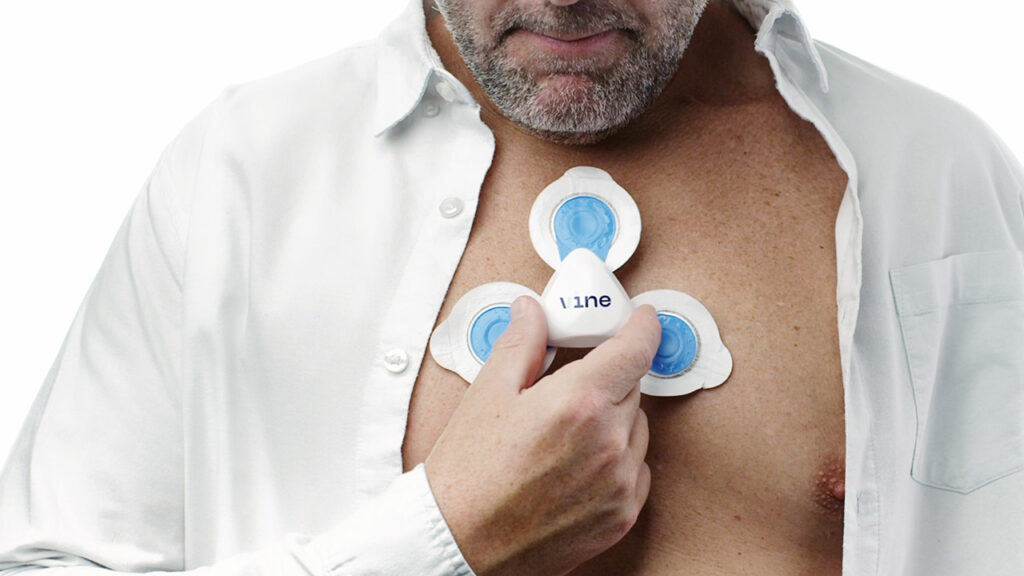
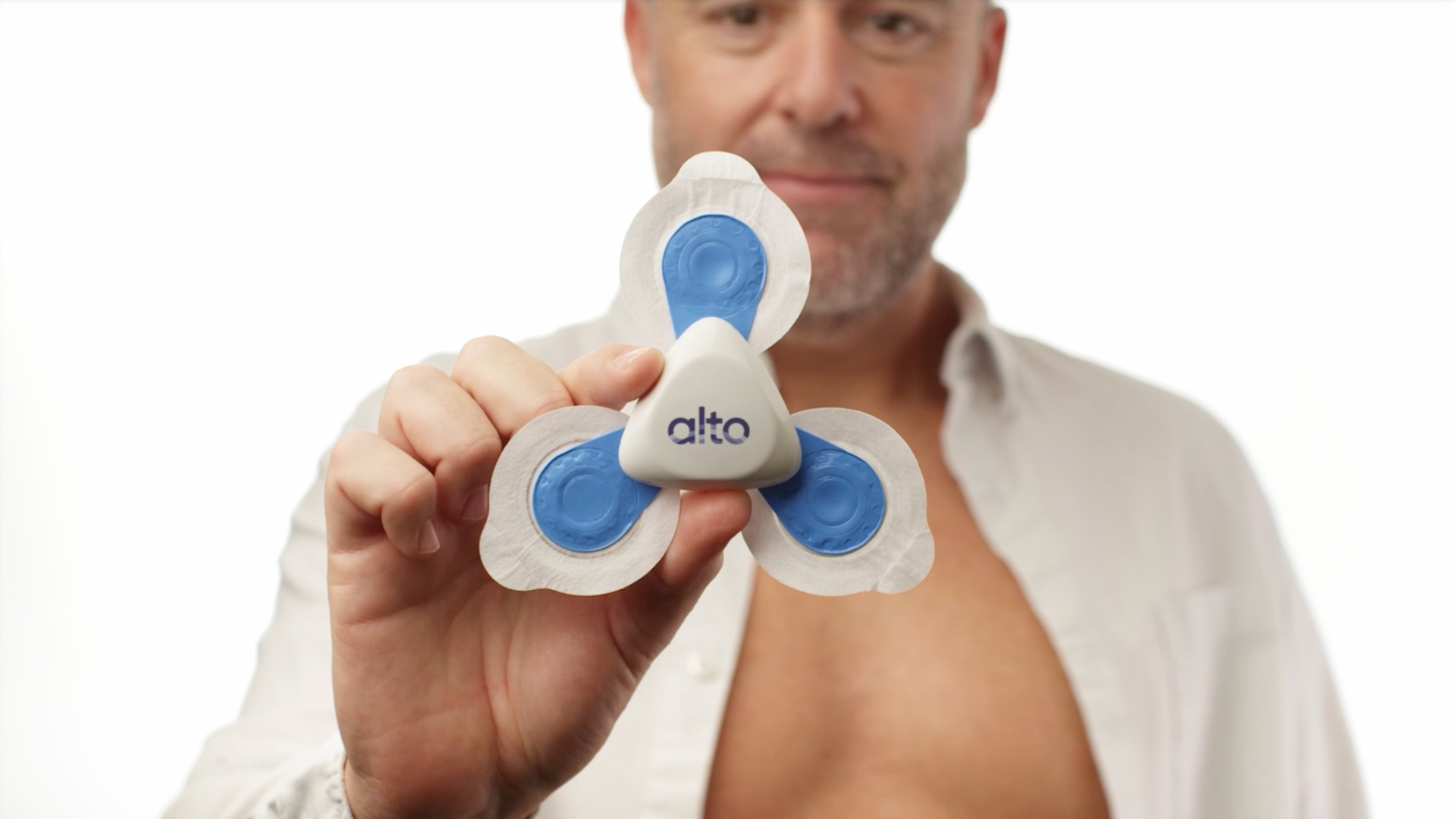
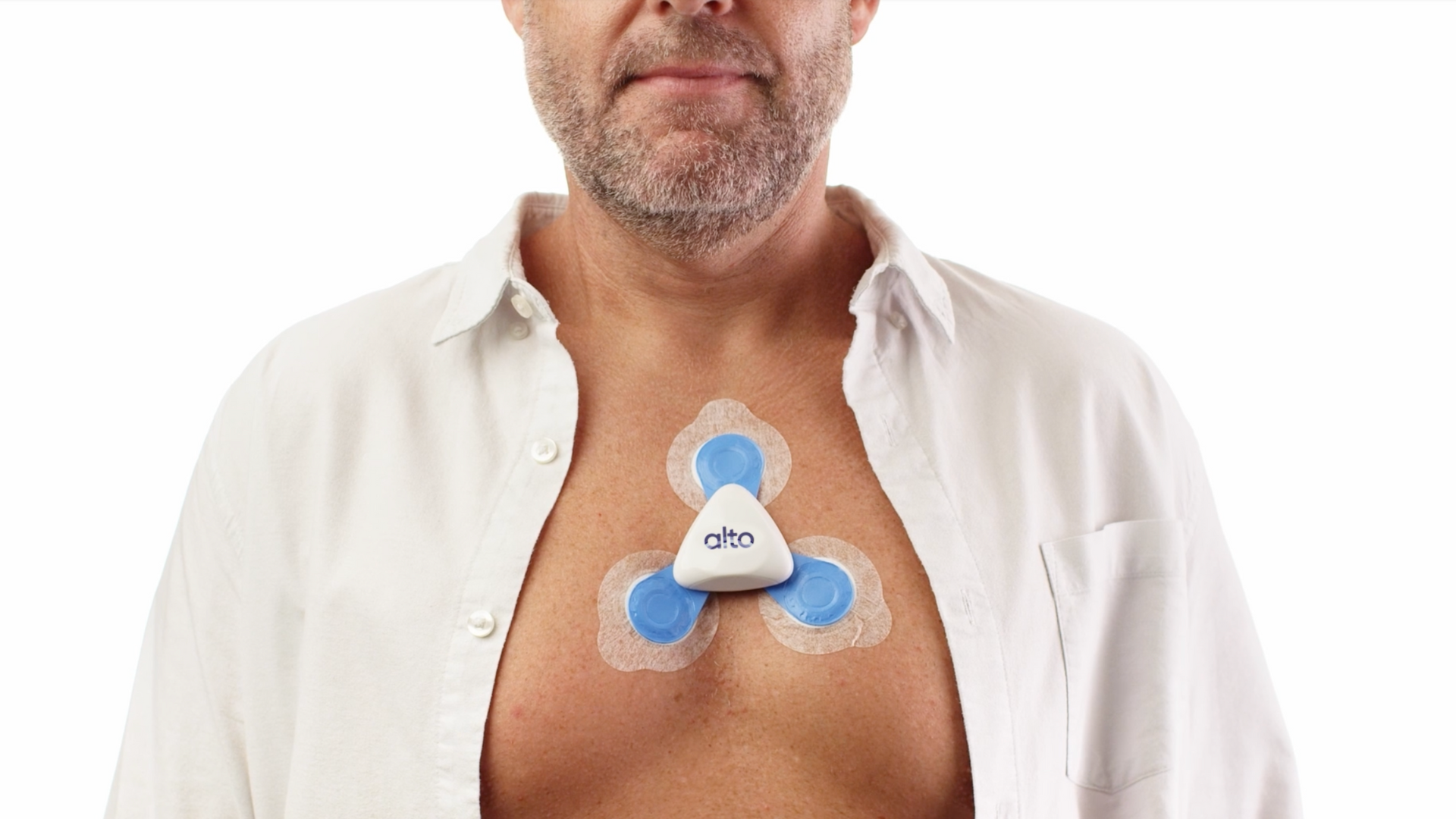
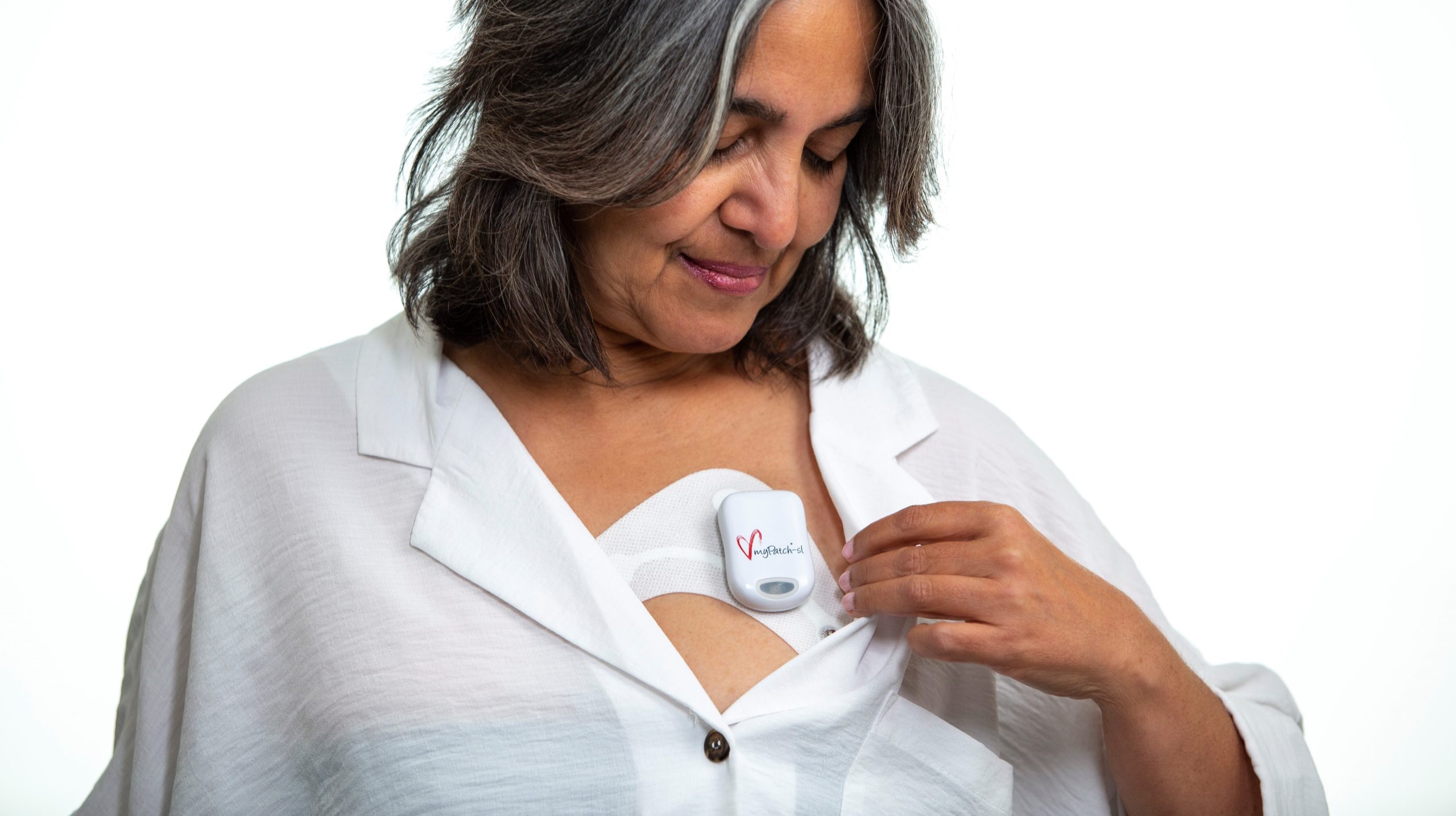
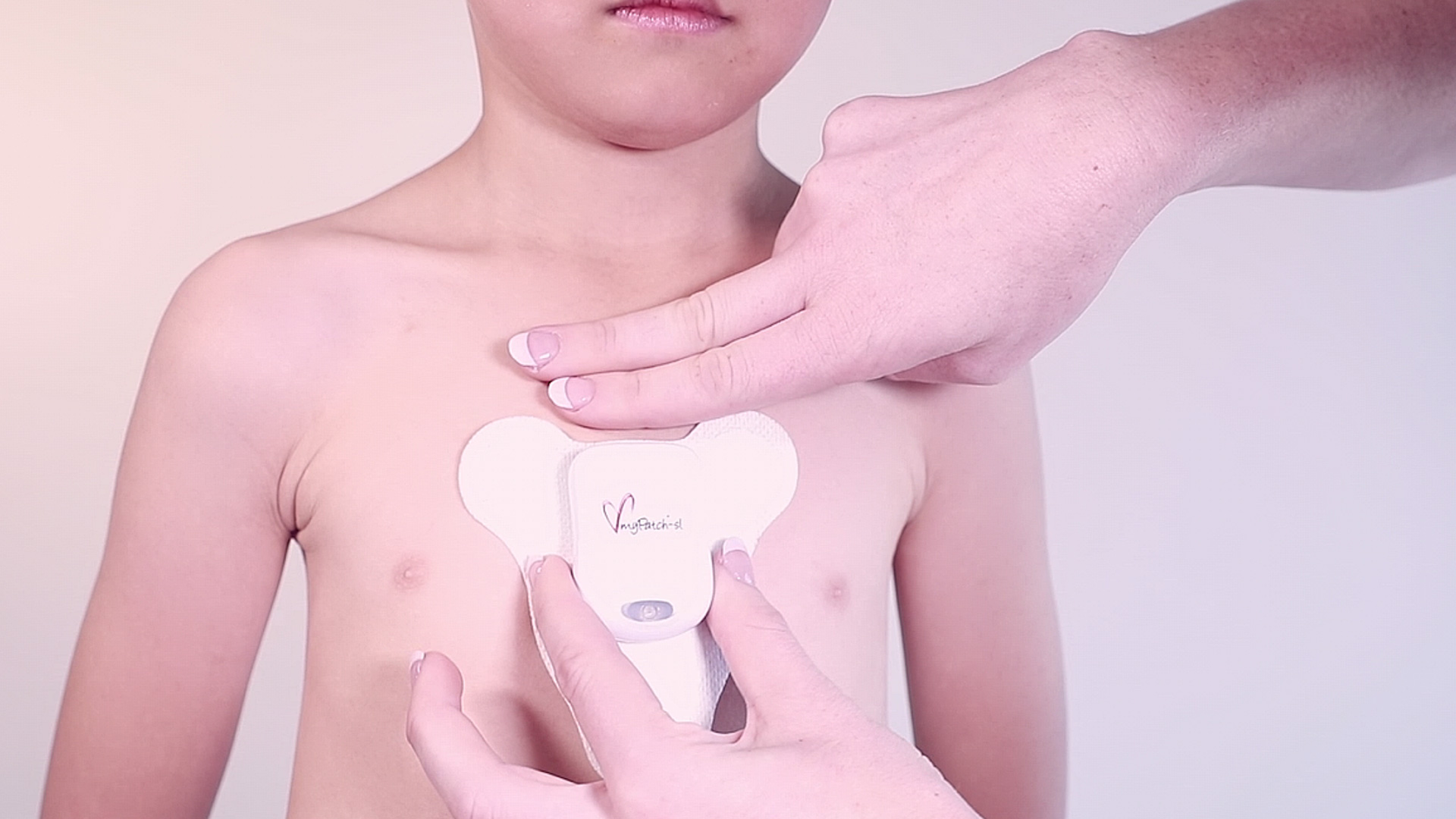
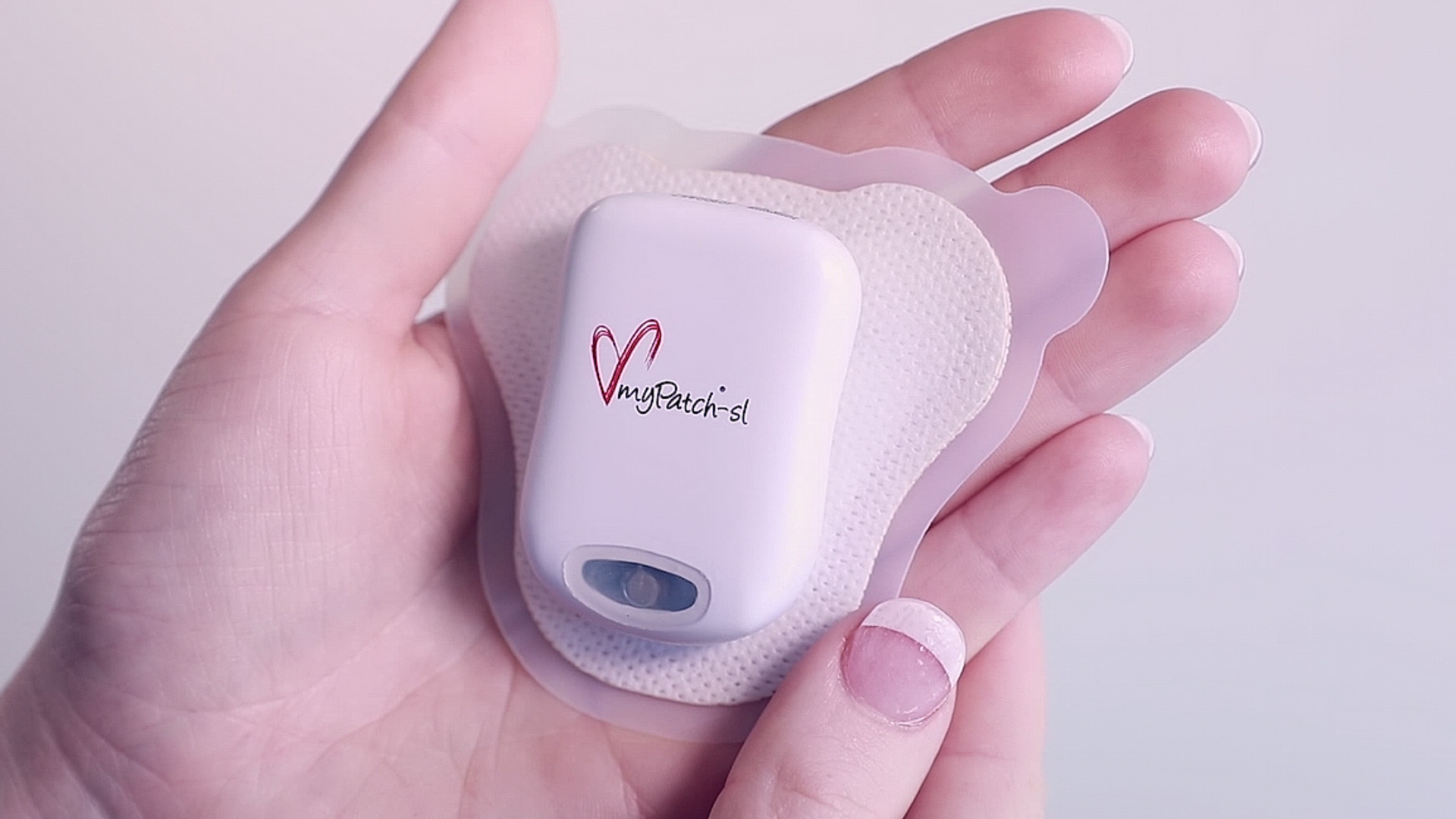
A Holter monitor is a small, portable device that continuously records the electrical activity (ECG) of the heart. It tracks every heartbeat to detect any irregularities, typically over a period of 24 hours, but it can be used for up to 14 days if needed.
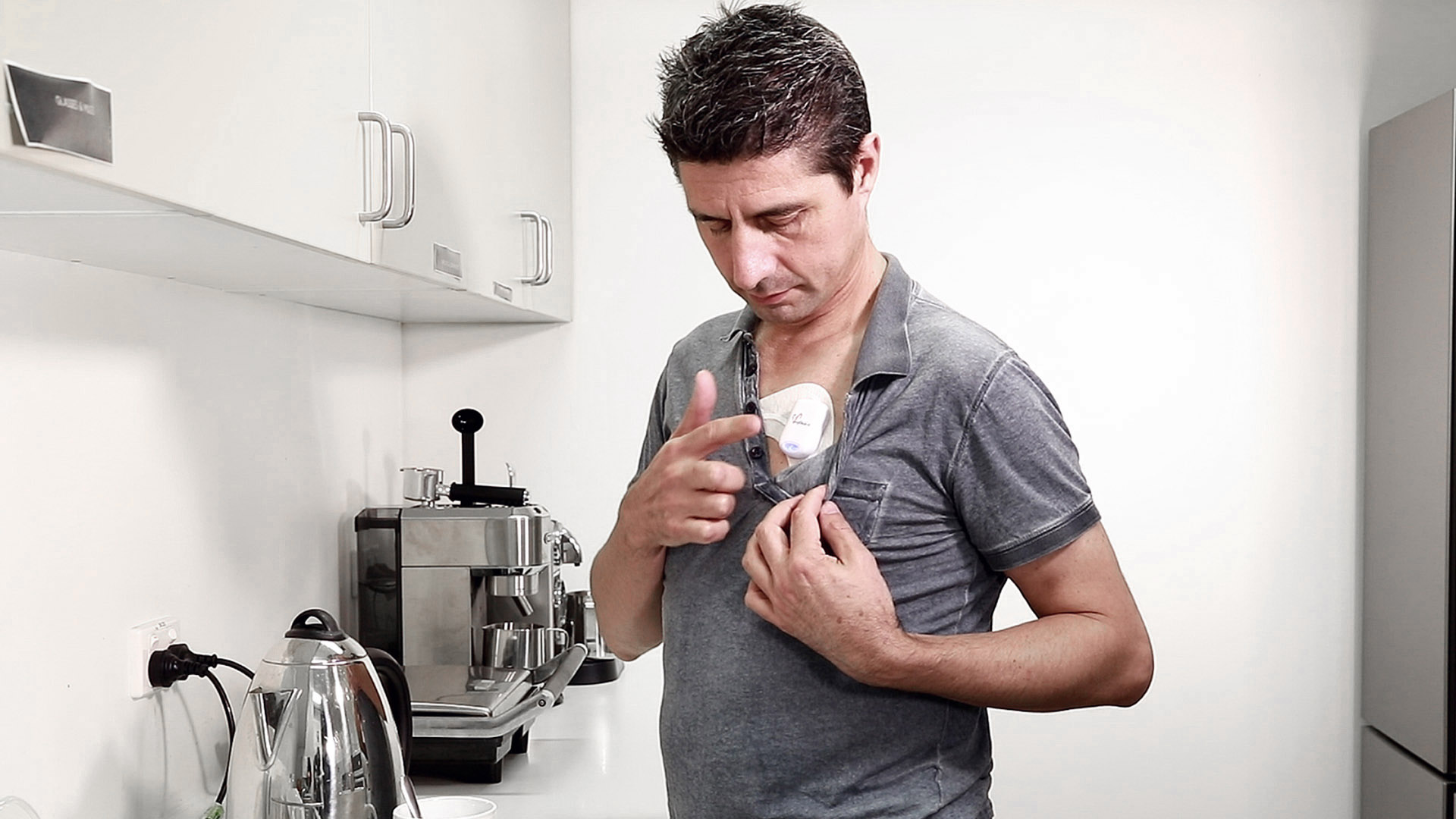
The device will be fitted in the clinic, by one of our team members, or couriered out to you with fitting instructions. Patients are generally unrestricted in their daily activities.
Sleep Study Tests Available
Conducted in the comfort of your home, this study measures breathing, oxygen levels, heart rate, brain activity, and muscle activity, helping diagnose sleep disorders and determine effective treatment strategies.
A home-based study which is focused on detecting Obstructive Sleep Apnoea (OSA) or Sleep Disordered Breathing (SDB)
Level four is the most basic type of sleep study, looking at oxygen saturation levels during sleep.
How the Process Works
Sleep Assessment
Treatment
- CPAP (Positive Airway Pressure) therapy
- Nasal EPAP
- Referral to an ENT surgeon
- Weight management
Long term therapy and support
We provide extra support, including rental packages (short or long-term), ongoing monitoring, annual data checks, and reviews. Disability allowance support may be available for those on limited incomes.
Our Clinic Locations
Holter Monitor FAQ’s
A Holter monitor test may be needed for a number of different reasons, which include:
- Investigation of suspected arrhythmias (an abnormal heart rhythm where the heart beats too slowly, too fast, or irregularly) or for sustained palpitations, e.g. skipped beats, extra beats
- Syncope or presyncope (dizziness, fainting)
- To monitor the function of your pacemaker or defibrillator
- As a follow-up to assess how well medications are controlling your heart rhythm
This is a very safe non-invasive test. Some patients may experience a minor skin irritation from the sticky electrode, but this is rare.
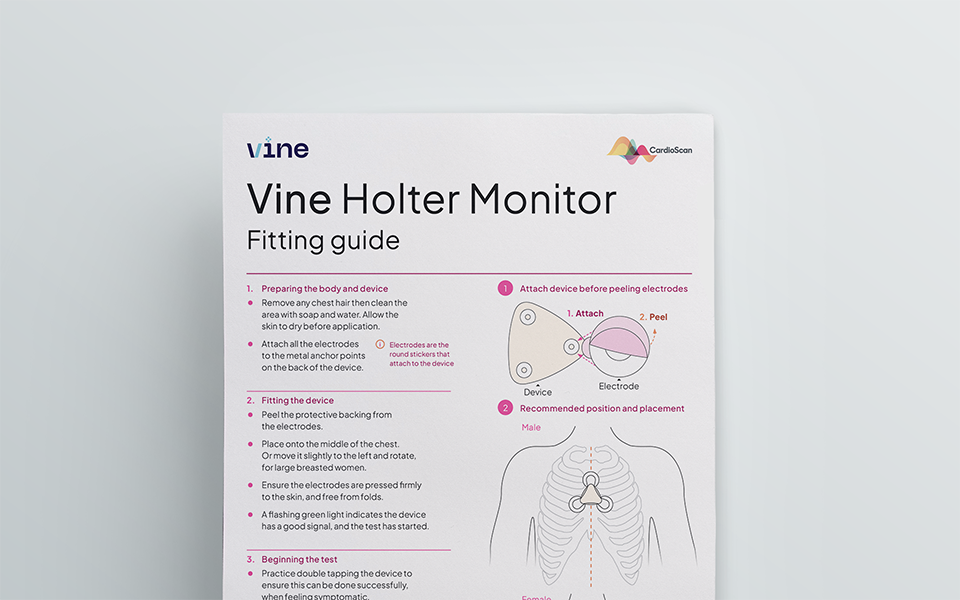
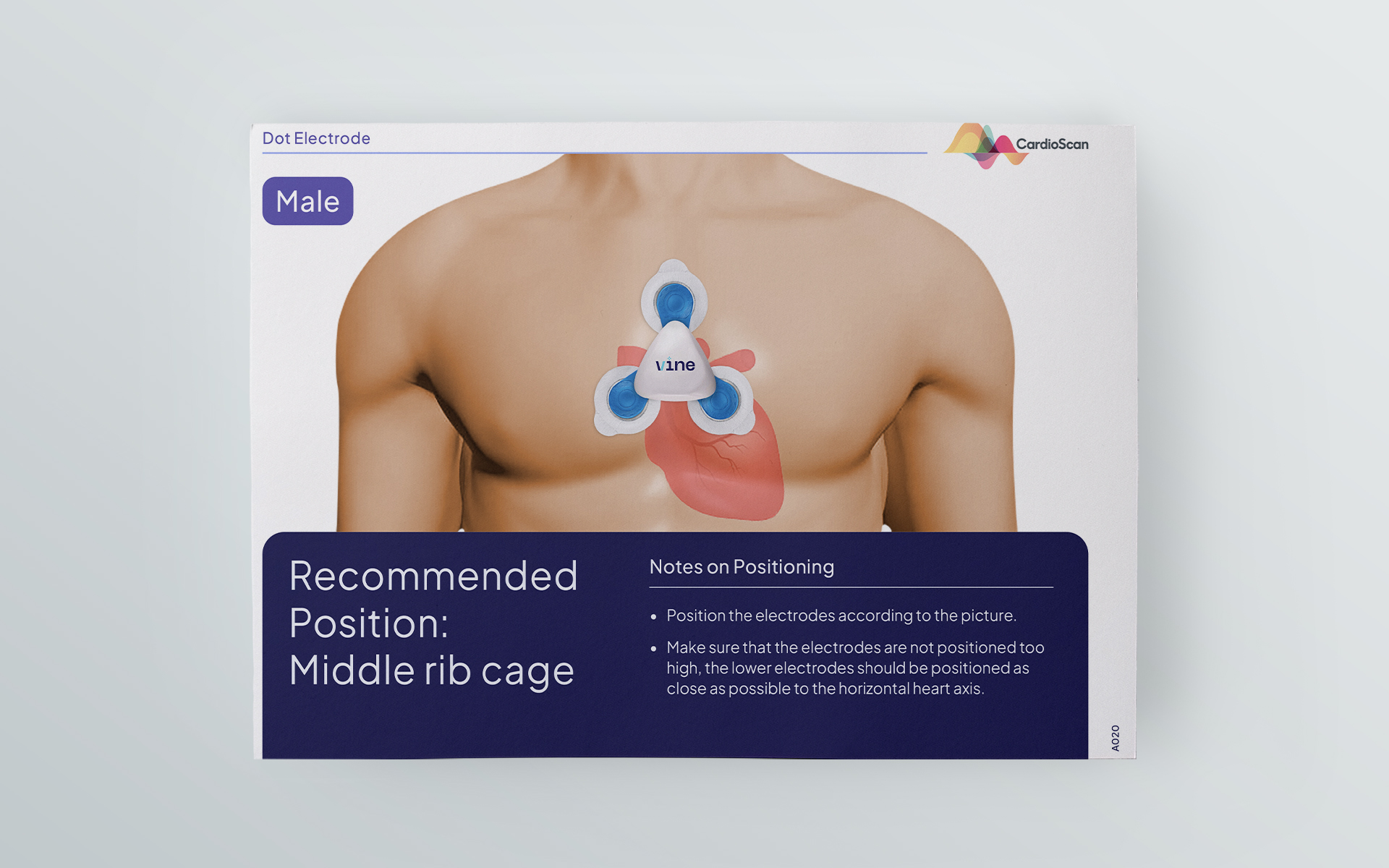
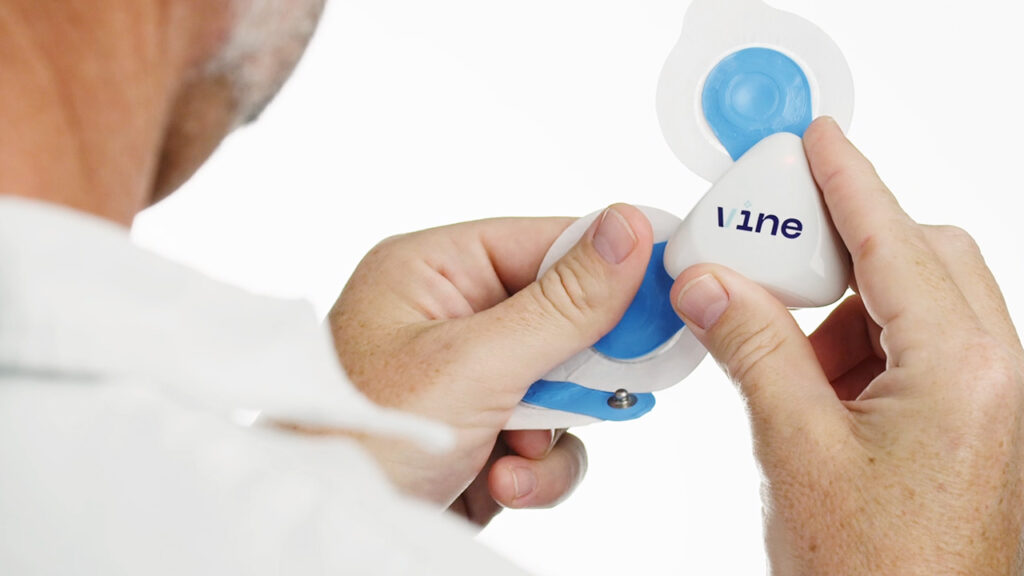
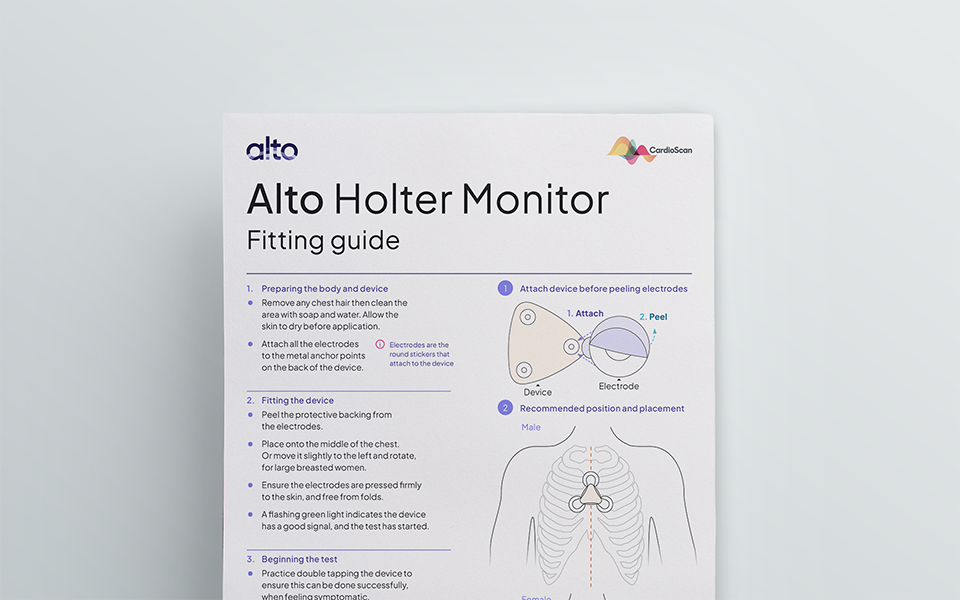
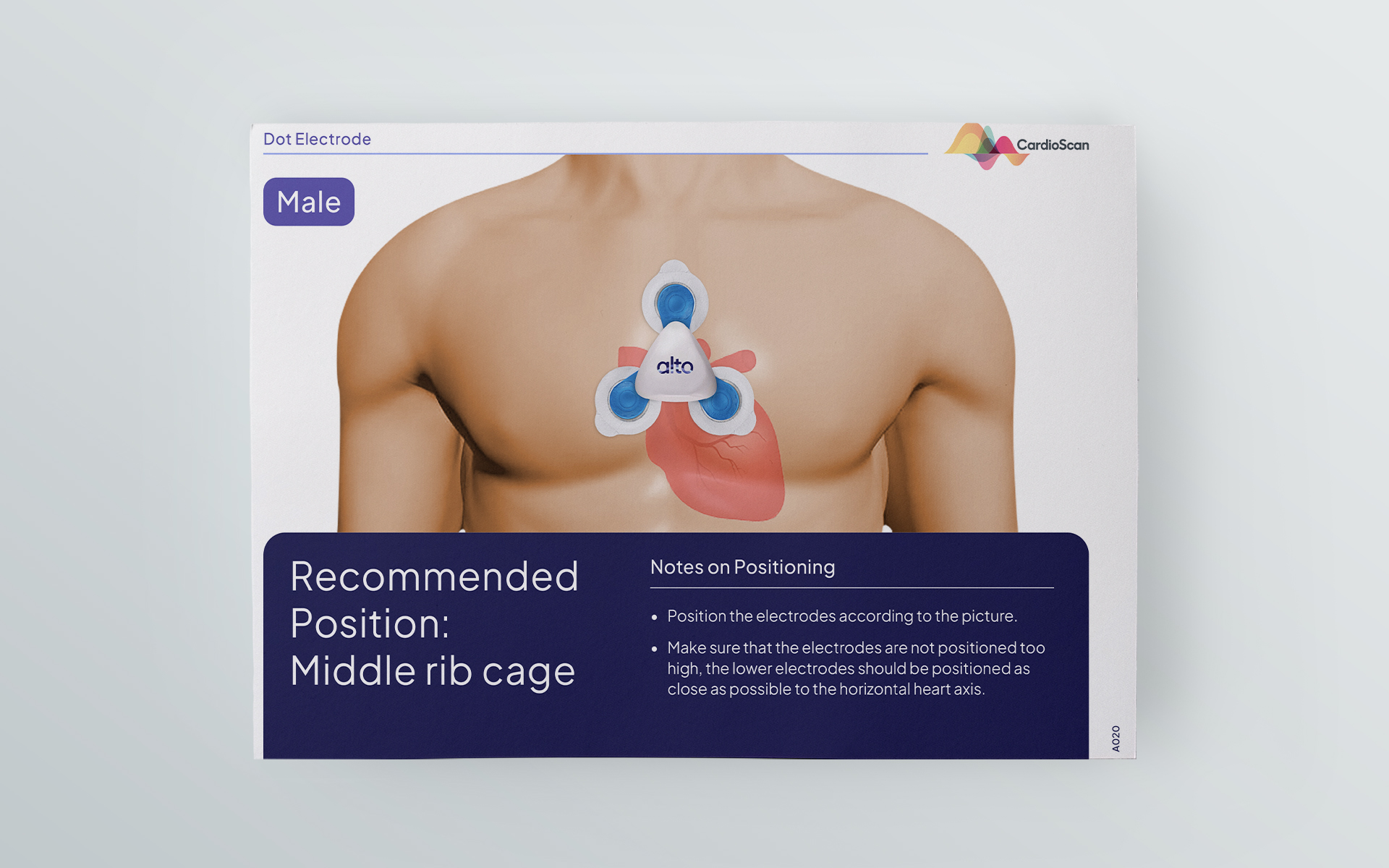
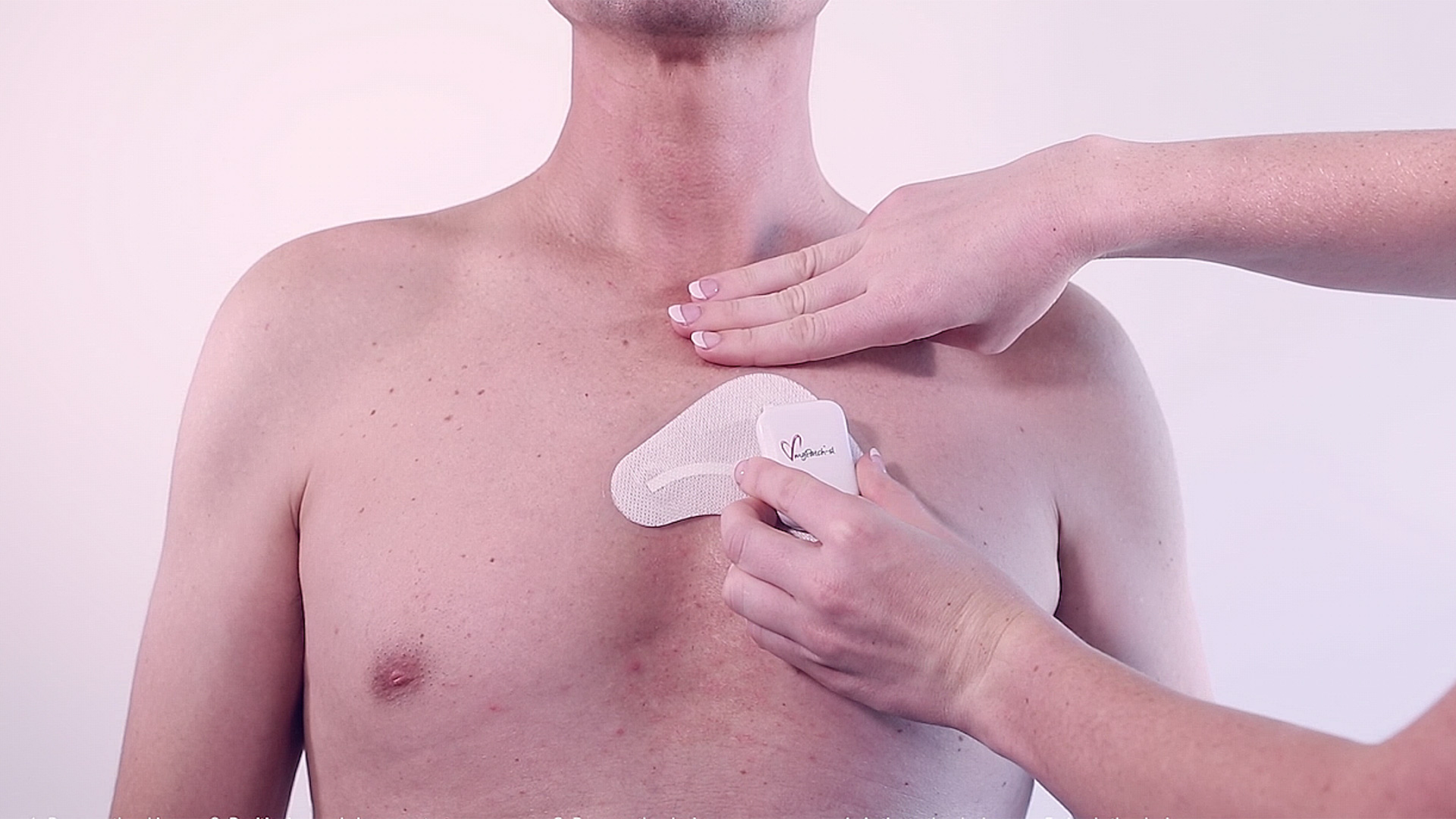
If you have the Holter monitor fitted in the clinic, a technician will place an electrode on your chest which will sense the heartbeat.
Your skin will be given a mild exfoliation and wiped with alcohol to facilitate sticking and improve the conductivity of electrical impulses. You may need to have a small amount of chest hair shaved off. Some people may experience some minor skin irritation when the electrodes and tape are removed. The irritation is caused by the conductive gel on the electrodes reacting with the skin. The procedure may require you to remove the clothing from your upper body so loose-fitting clothes are recommended.
You will be required to wear the Holter device for a defined period and you will need to return the Holter monitor to the clinic the following day at the specified time.
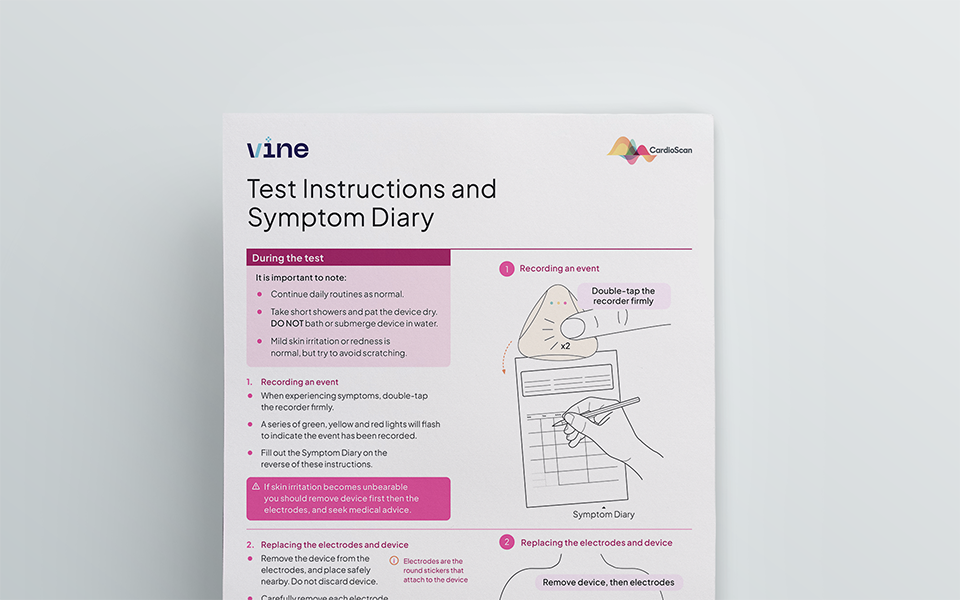
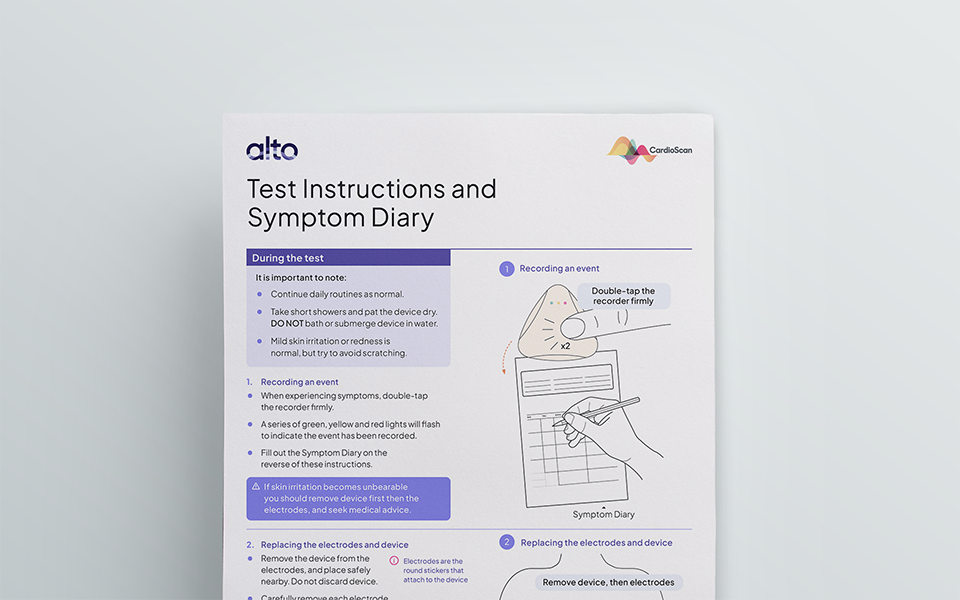
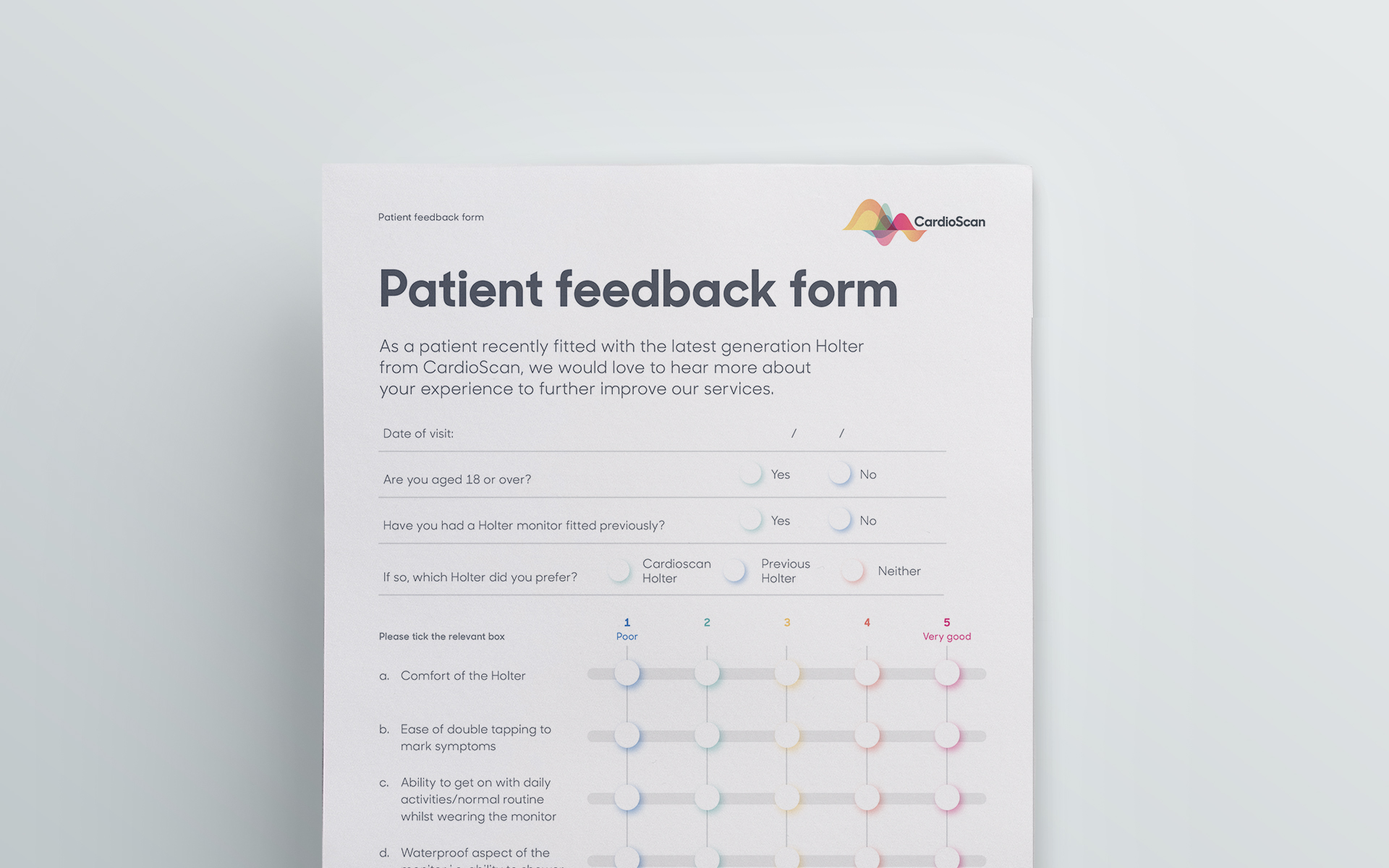
You should go about your normal daily activities in a normal manner, and you will be provided with a patient diary to complete. You should make an entry every time you feel symptoms like chest pain, dizziness, shortness of breath or heart palpitations. You should record the time the symptoms occurred, what symptoms occurred and what you were doing at the time. Please return the diary with the Holter monitor on completion of the test.
You can shower with the monitor on as long as the monitor is not immersed in water or shower jet directly onto the device.
During the Holter test:
- Do not immerse the device in water
- Do not use electric blankets
- Do not remove the monitor
- Do not shake any wires
- Do not drop the monitor
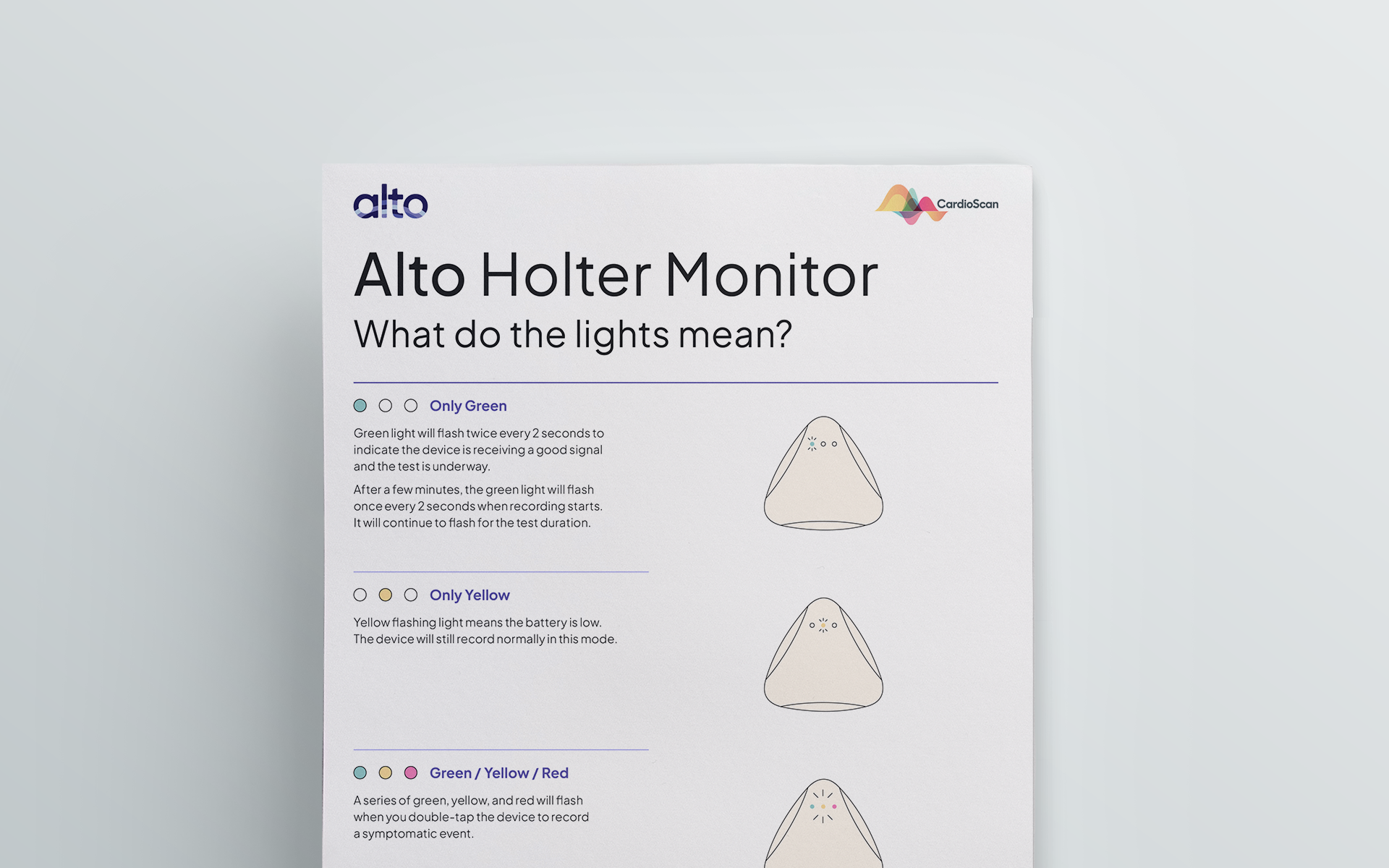
If a wire comes unclipped from an electrode just snap it back on and record this in your patient diary.
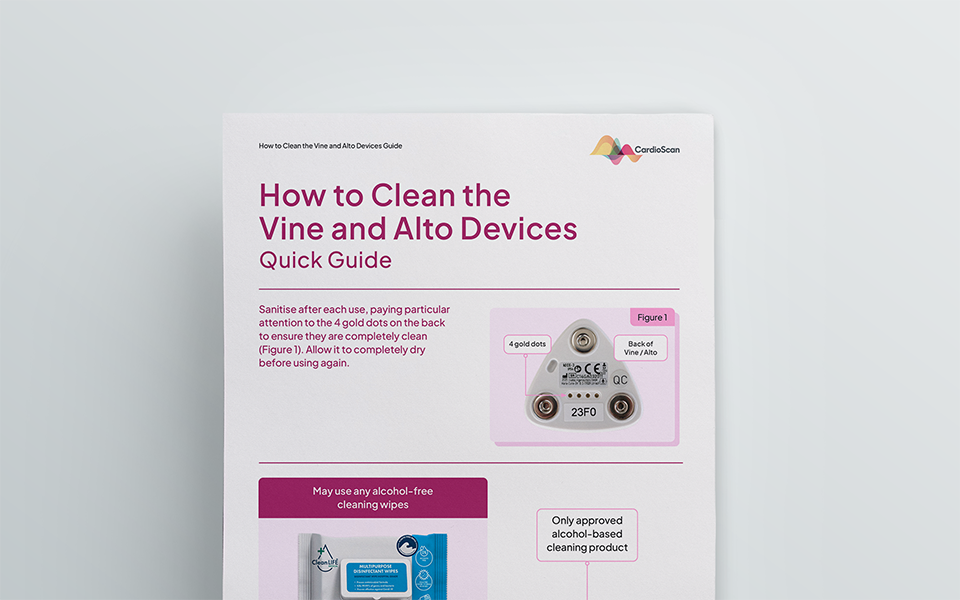
After the duration of your Holter test is completed, remove the Holter device by unclipping the device from the electrodes and then peel off the electrodes. The electrodes can be discarded. Please return the Holter monitor device back to the clinic the following day after your test is completed at the allocated time provided to you.
The Holter test report will be returned to your GP in 3 business days who will contact you to book an appointment to discuss your results.
Holter Monitoring
Resources




Other Services
Learn more about our other services.
Exercise Stress Echo
The patient will be asked to complete a regular treadmill exercise test, while their ECG, heart rate blood pressure are recorded. After the treadmill exercise test, the patient will be quickly moved back to the patient bed and the heart will be looked at again for any sign of abnormal activities.
ECG
An ECG is a recording of the heart rhythm that allows many parts of the heart’s electrical activity to be assessed. A simple test that can pick up early disease of the heart.
Echocardiogram
An echocardiogram (echo) is a non-invasive test that allows your doctor to see how your heart beats and pumps blood.
.png)